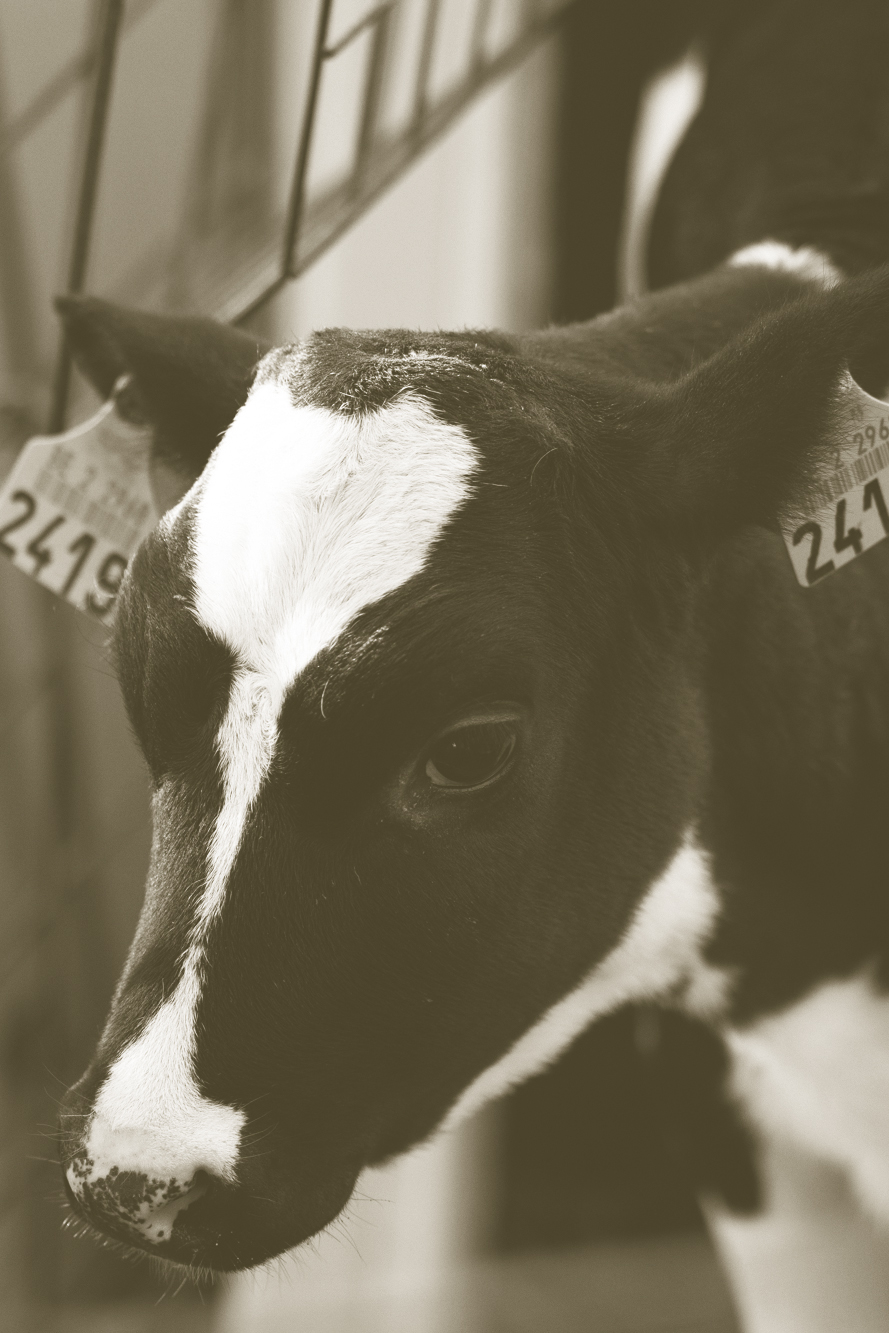
The Role of Calcium Butyrate
in Animal Gut Health

Maintaining optimal gut health is a cornerstone of modern animal husbandry, influencing not only animal welfare but also farm productivity and profitability. Calcium butyrate, a scientifically recognized feed additive, offers a range of proven benefits for digestive physiology and overall livestock health. We explain the scientific effects of calcium butyrate and highlights its economic advantages linked to healthier animals.

What Is Calcium Butyrate?

Calcium butyrate consists of a combination of calcium and butyric acid, a short-chain fatty acid naturally produced in the gastrointestinal tract through the fermentation of fiber-rich food components by gut microbes. This process primarily takes place in the large intestine, where bacteria such as Lactobacillus and Bifidobacterium convert fibers into, among other things, butyric acid. By administering calcium butyrate as a dietary supplement, it is possible to deliver butyric acid specifically to the lower part of the intestine, which is important because this is where butyric acid exerts the most beneficial effects on gut health. Calcium acts not only as a stable carrier for butyric acid but also ensures gradual release and improved absorption in the digestive tract. In this way, the physiological action of butyric acid is optimized, resulting in a stronger intestinal wall, enhanced nutrient uptake, and increased resistance to harmful bacteria and inflammation.

Economic Benefits of Healthy Animals

Enhanced Growth Performance: Healthier guts lead to better feed efficiency and faster weight gain, maximizing output per unit of feed and reducing overall production costs.

Lower Veterinary Costs: Improved intestinal health lowers disease prevalence, translating into fewer medical interventions, reduced need for antibiotics, and lower veterinary expenses.

Improved Product Quality: Animals with strong gut health are less prone to stress and disease, which is reflected in higher quality meat, milk, and eggs—driving better market prices.

Sustainable Production: Reduced incidence of digestive disorders and improved nutrient absorption mean less waste, contributing to a more sustainable and environmentally friendly operation.

Higher Profit Margins: All these factors result in increased profitability for producers, as healthier animals are more productive and require less input for maintenance and treatment.

Scientific Benefits for Gut Health

Strengthens Intestinal Barrier: Butyrate serves as a primary energy source for colonocytes, fostering villi growth and the development of tight junctions between epithelial cells. This fortifies the intestinal barrier, helping to prevent “leaky gut” and inhibit the movement of pathogens into the bloodstream.

Modulates Microbiota: Supplementation encourages the proliferation of beneficial bacteria such as Lactobacillus and Bifidobacterium, while suppressing pathogenic microbes. A balanced microbiota is vital for efficient digestion, nutrient absorption, and immune response.

Reduces Inflammation: Butyrate has anti-inflammatory properties, including suppression of NF-κB activation and regulation of cytokine production. This helps to reduce the incidence and severity of gut disorders like diarrhea and enteritis, known stress factors.

Improves Nutrient Absorption: Enhanced epithelial integrity and villus growth support greater nutrient uptake from feed, which is directly linked to improved weight gain and feed conversion ratios.

Boosts Immunity: Butyrate stimulates regulatory T cells and the production of antimicrobial peptides, strengthening mucosal immunity and reducing susceptibility to infections.

Applications in Animal Nutrition

Calcium butyrate is widely used in poultry, swine, and ruminant diets, particularly during periods of stress, disease risk, or dietary transitions. Scientific studies consistently show its ability to support gut health, reduce inflammation, and improve economic returns for livestock producers.

Conclusion

Calcium butyrate is a scientifically validated feed additive that promotes gut health, enhances immune function, and drives economic benefits through improved animal performance and reduced costs. Its application in animal diets supports both animal welfare and the overall profitability of livestock enterprises.